©
Stage Director
Haitham Assem Tantawy
Represented by
Representation
Represented by
Representation
 BACK TO ARTISTS OVERVIEW
Haitham Assem Tantawy is an Egyptian-German opera and music-theatre director known for visually powerful, physically intense, and ritual-inspired productions. His work explores opera as a transformative space where sound, body, and image merge into emotionally charged theatrical experiences. He gained international recognition with his acclaimed production of The Lighthouse at the Deutsche Oper am Rhein, which led to his nomination as Director of the Year in the Opernwelt Critics’ Poll 2024/25.
In the 2024–25 season Tantawy directed The Lighthouse (Der Leuchtturm) by Peter Maxwell Davies at the Deutsche Oper am Rhein, a production praised by critics as a “breathtaking Gesamtkunstwerk” and nominated for Opernwelt Director of the Year. Since the 2022/23 season he has been working at the Deutsche Oper am Rhein in Düsseldorf and Duisburg as a staff and assistant director, collaborating with leading international opera directors on major productions.
His Wagner-inspired chamber opera Wider das Verlöschen, supported by the Richard Wagner Association in Karlsruhe and the Wagner Society of Santiago de Chile, is currently featured on the RIWA 26 platform celebrating the 150th anniversary of the Bayreuth Festival. Earlier, in 2019, he directed and wrote the libretto for the world premiere of Das Ebenbild & Der alte Traum by Kyungjin Lim and Tingting Pang at the Spieltriebe Festival at Stadttheater Osnabrück; the production later became a central case study in Anna D. Rüdel’s book Staging Interreligious Differences (2023). In the same year he worked as movement director for Rossini’s Il Barbiere di Siviglia at the Nederlandse Reisopera.
Between 2019 and 2022, while studying opera directing at the Karlsruhe University of Music, he directed scenes from Puccini’s La Bohème in a masterclass with Peter Konwitschny and a reduced version of Tchaikovsky’s Eugene Onegin. He is also the founder and artistic director of SINAI Orchestral Theatre in Berlin, through which he has created publicly funded music-theatre productions such as Preludes and Yusuf’s.
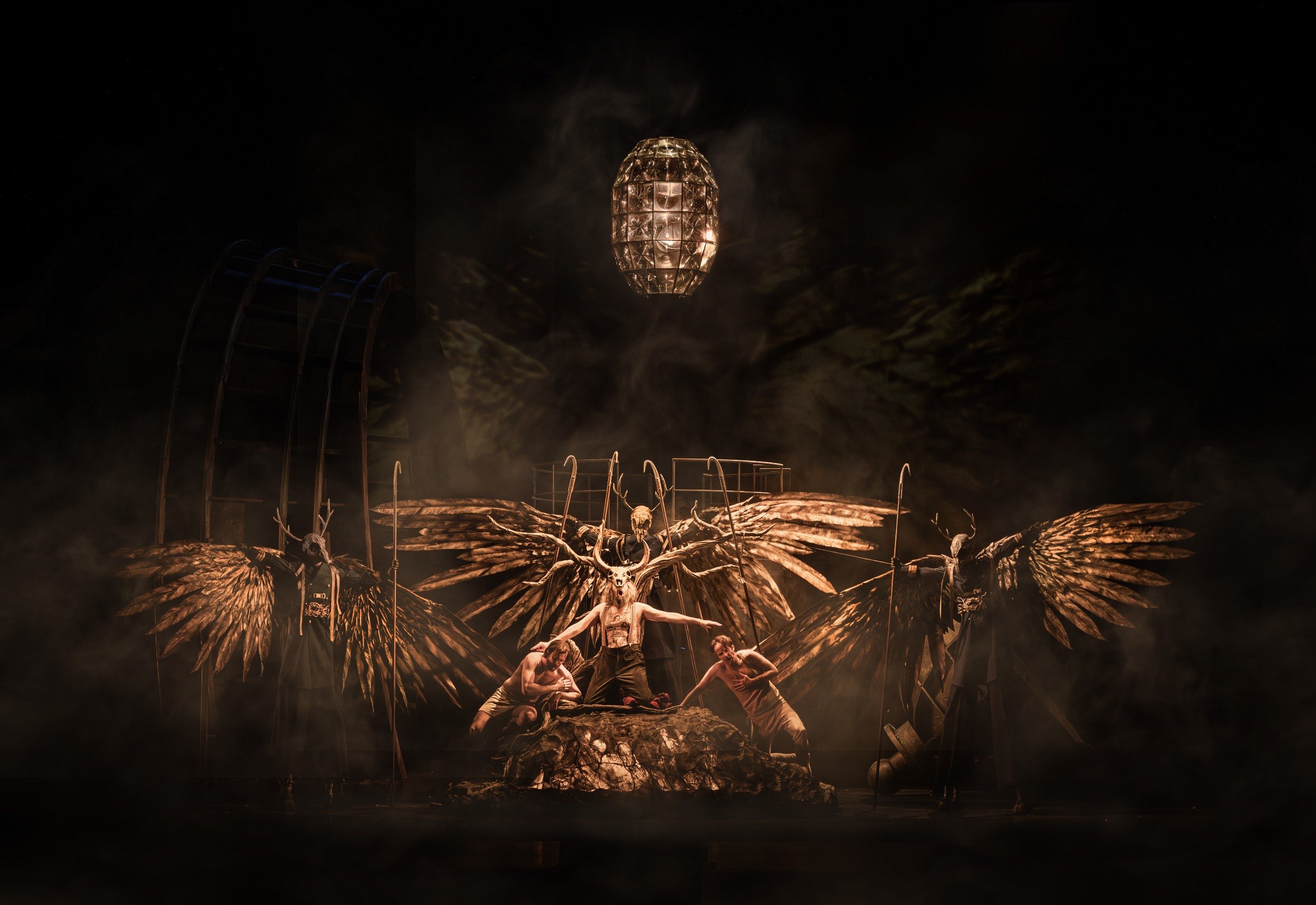
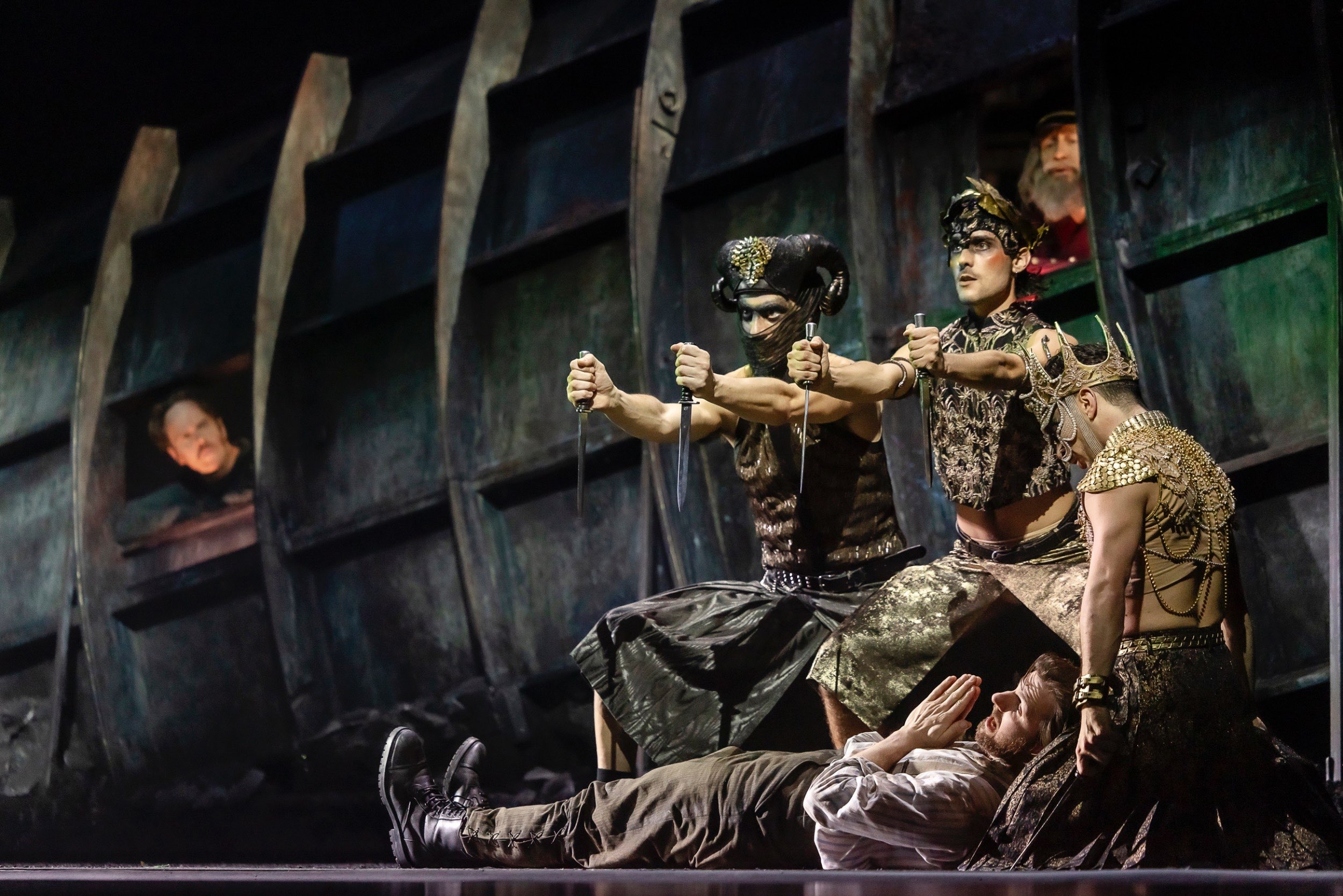
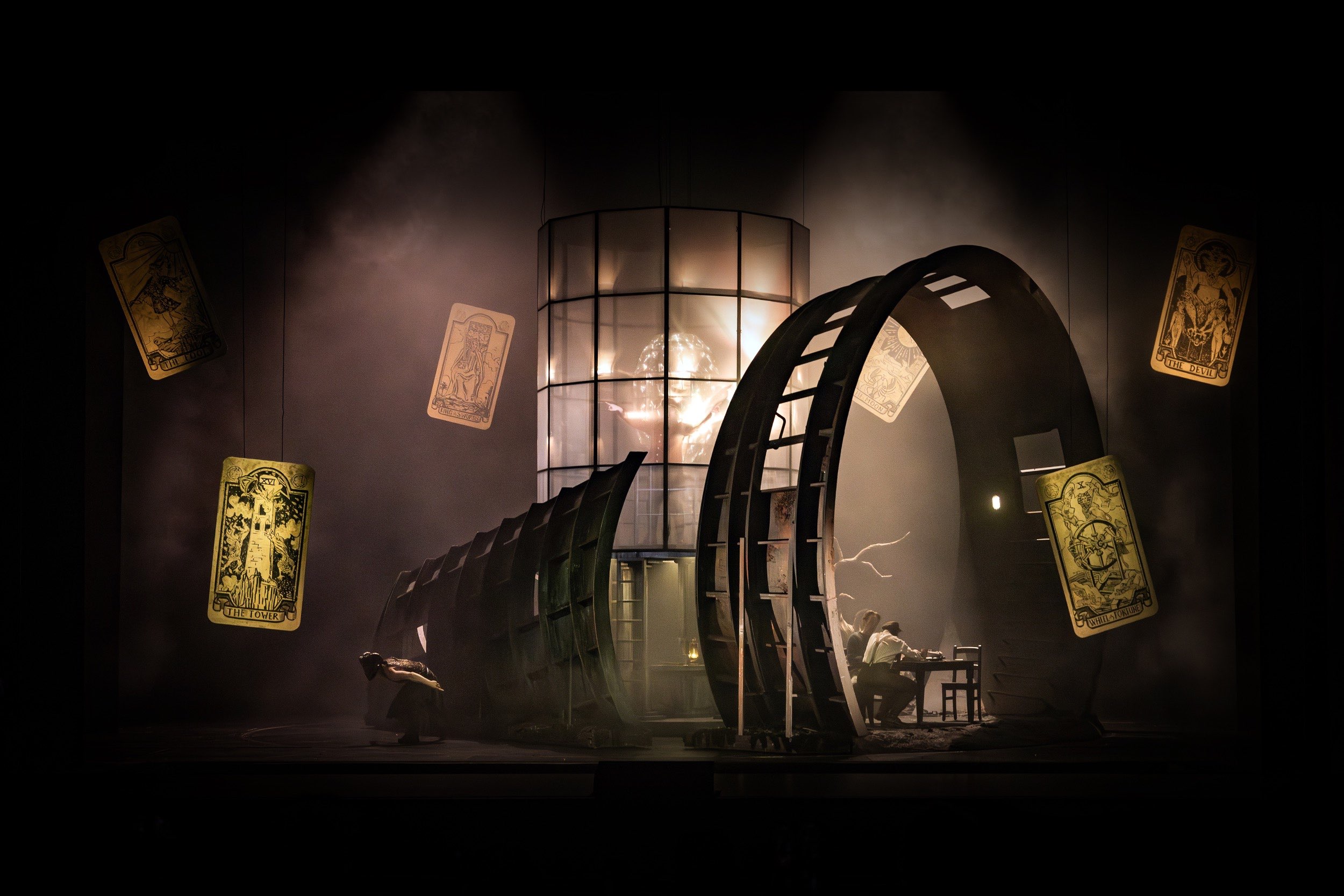
The Lighthouse (Deutsche Oper am Rhein)
The Lighthouse (Deutsche Oper am Rhein)
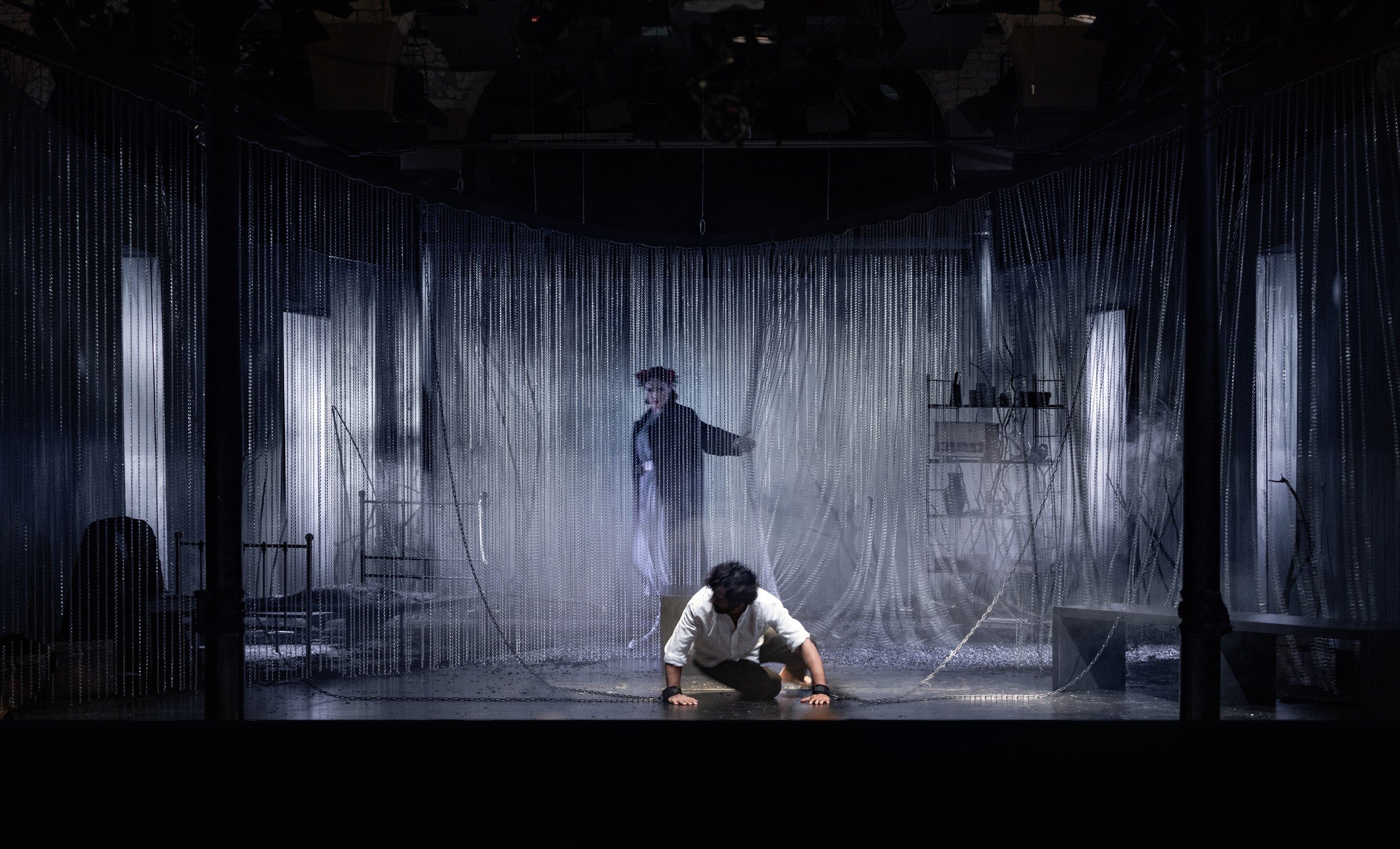
Wider das Verlöschen (Hochschule für Musik Karlsruhe)
Wider das Verlöschen (Hochschule für Musik Karlsruhe)
Das Ebenbild (Stadttheater Osnabrück)
Das Ebenbild (Stadttheater Osnabrück)
An impressive Wagner evening marked by outstanding vocal performances […] It is an ambitious and
demanding work that the Cairo-born Haitham Assem Tantawy brings to the stage with great assurance.
The young director succeeds through intense performer direction and a strong visual language:
suggestive imagery and a deliberately reduced stage design create a powerful theatrical space in which
symbolic elements and clear visual metaphors shape the dramatic narrative.
The Chilean tenor Jose Ansaldi (aka Leon de La Guardia) identified completely with his role — certainly
also a credit to Haitham Assem Tantawy, who worked through even the smallest gestures with him and
in this way created a fascinating character.
This 75-minute total work of art is extraordinary, bold, dark, and entirely appropriate to its subject — in
short, a complete success.
Tantawy’s contribution proved convincing in terms of density, dramatic power, and conceptual clarity
[…] He stages Maxwell Davies’ opera in partly surreal images that both paraphrase and condense the
substance of the story. This is achieved with very few props and a reduced set design by Matthias
Kronfuß that nevertheless suggests everything essential, complemented by Thomas Diek’s maritime
lighting — including some effects that deliberately push the limits of what is still comfortable. The result
of the interaction of all these elements is a perfectly unified whole.
An existential island trauma and a state of utter exposure to natural and psychological forces lie at the
very core of the subject—especially in the uncanny lighthouse story, whose metaphorical, religion-critical
depths are profoundly unsettling—and are conveyed on stage in Haitham Assem Tantawy’s production
with tremendous force and striking visuals.